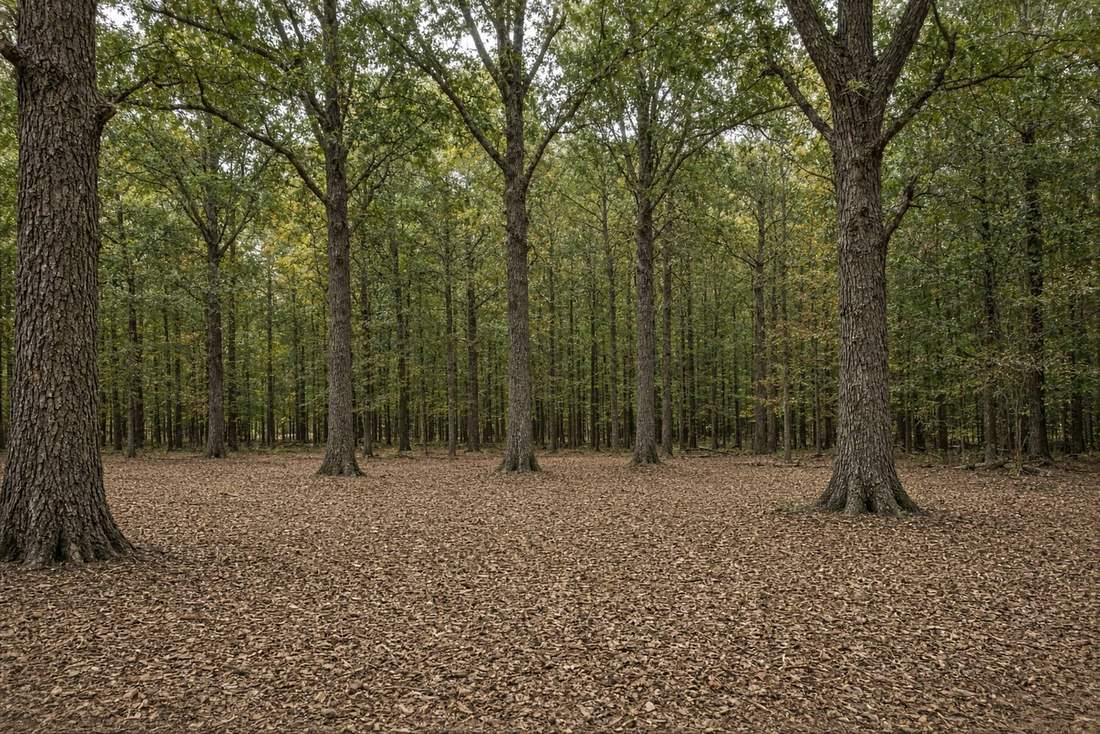
Mulch the understory that has taken the stand. Follow-up so it does not come right back.
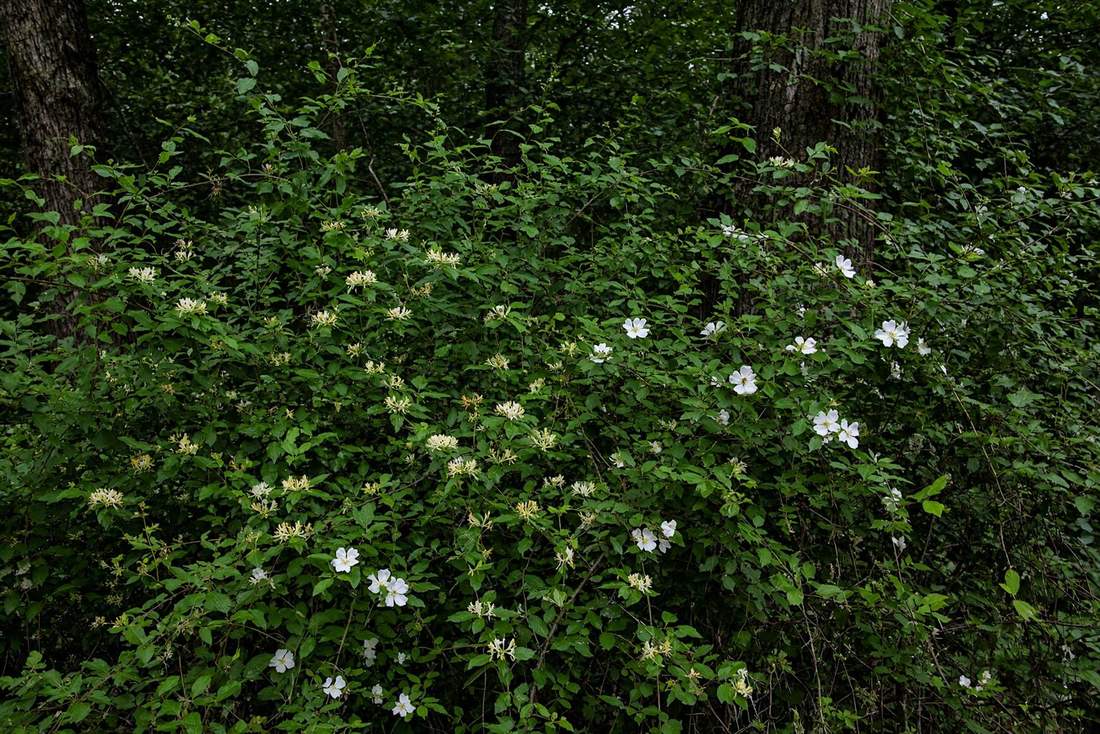
Bush honeysuckle, autumn olive, multiflora rose
Callery pear, Bradford pear, and tree of heaven
Privet, burning bush, Japanese honeysuckle
Cut-stump and follow-up treatments where they are needed
Forestry
Responsible land clearing
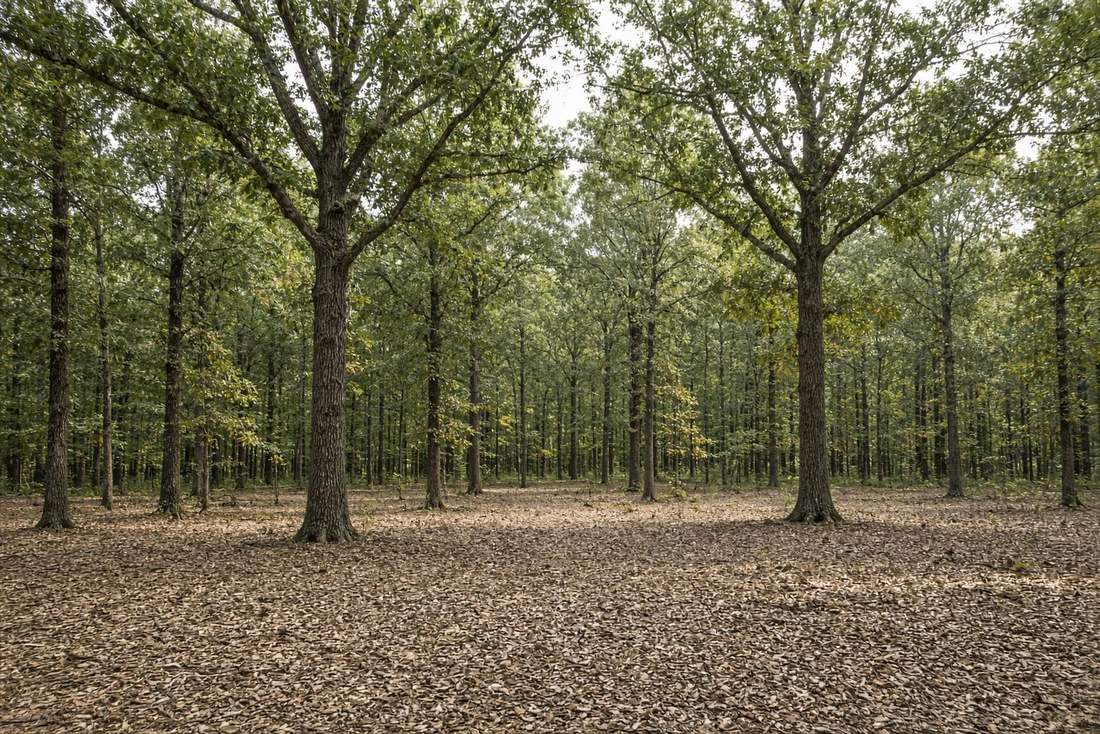
Forestry mulching to open ground that has grown shut, without stripping soil or hauling brush off-site.
Overgrown woods, fence rows, and field edges
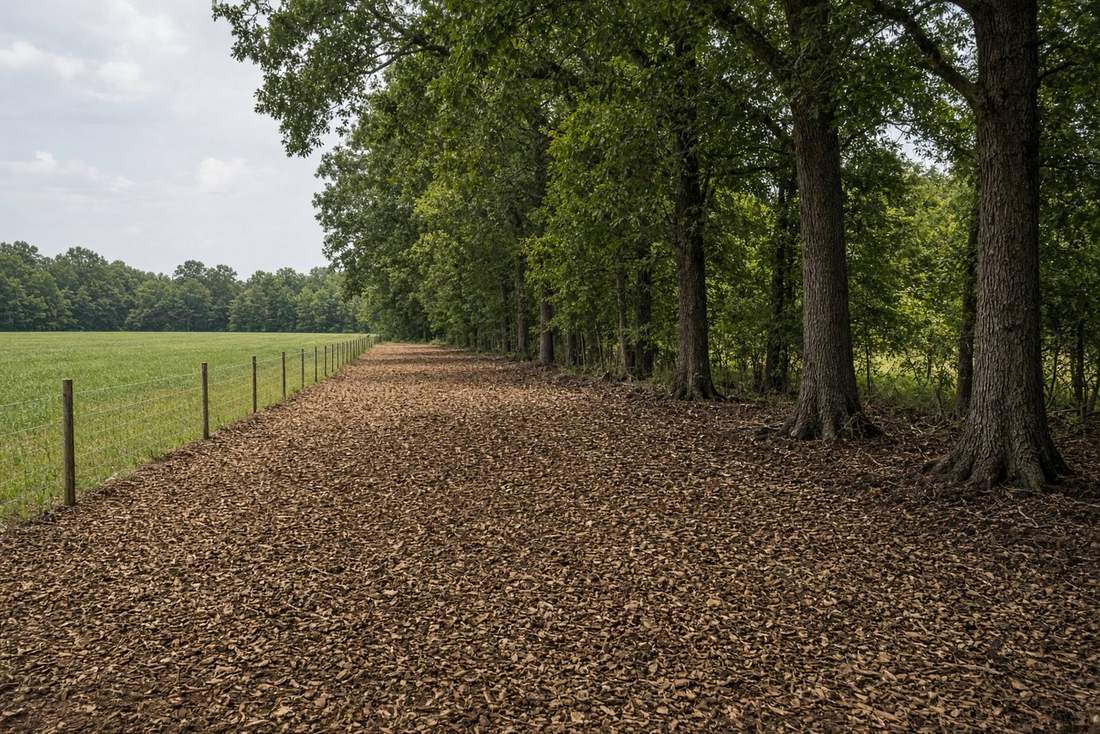
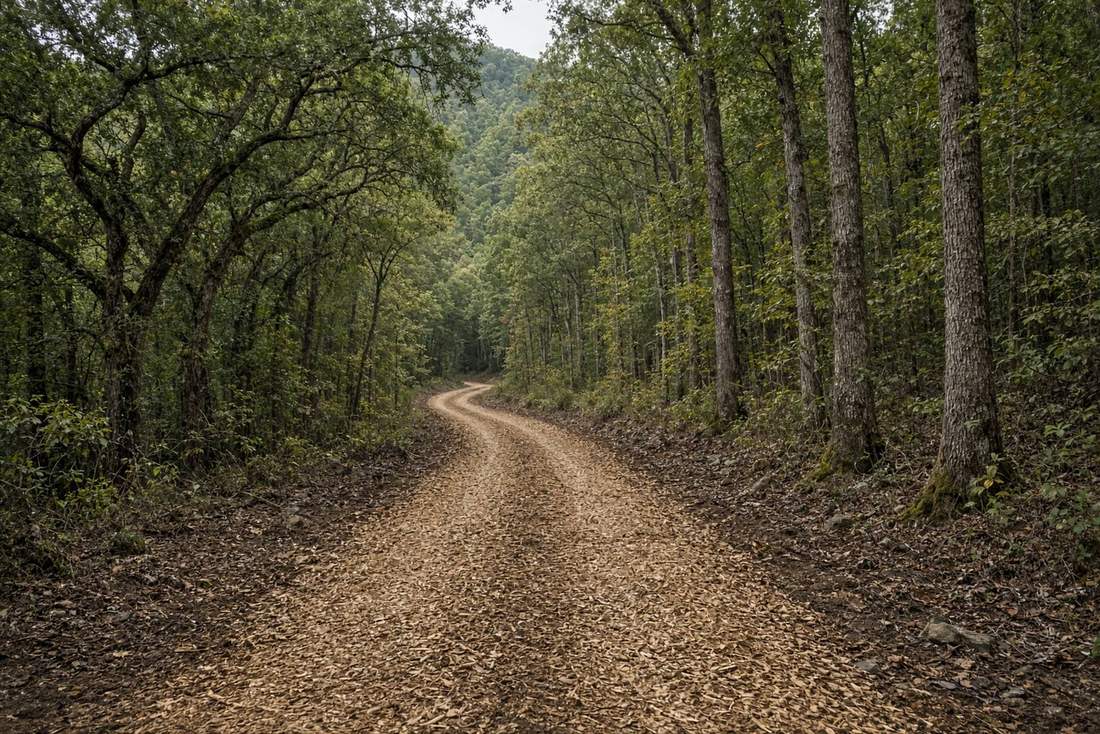
Trails, lanes, and access corridors
Around homes, barns, and outbuildings
Selective clearing that leaves desirable trees
Forestry
Timber stand improvement
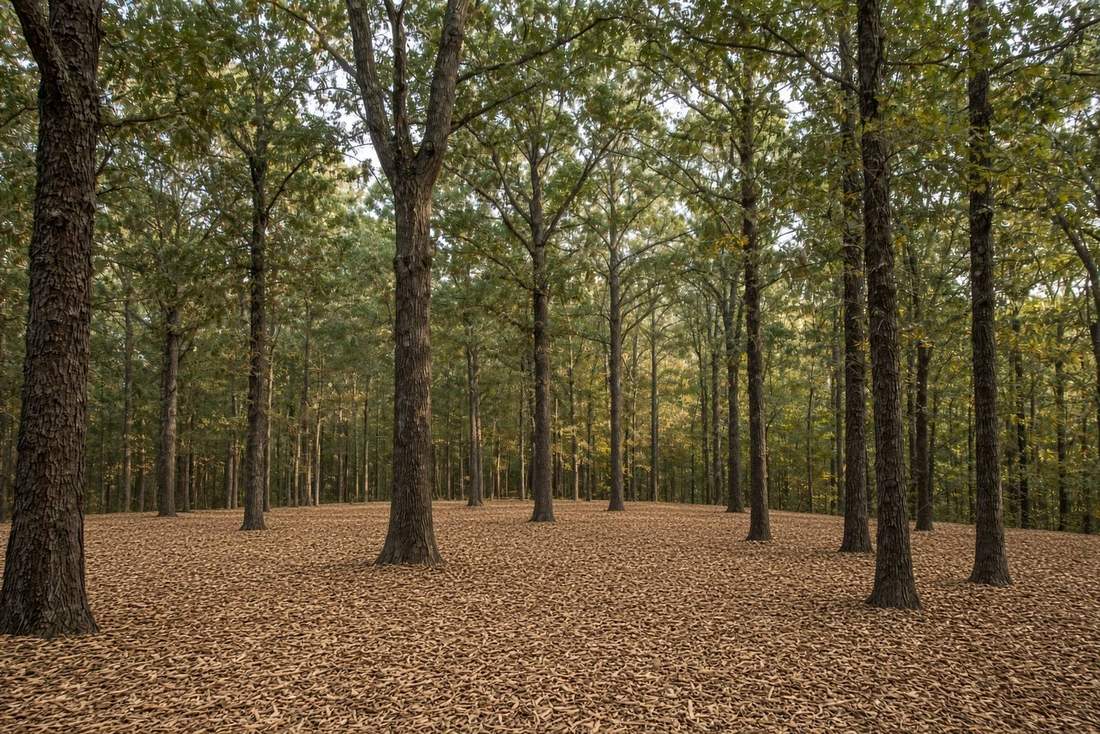
Once the brush is down, tend the stand so oak, hickory, and crop trees can actually grow.
Property and stand walkthroughs
Crop-tree release and understory reduction
Remove competing and poorly formed stems
A plan for the next few seasons
Fire
Mechanical fuel conversion
Mastication converts ladder fuels to surface fuels and mulch. This is not prescribed fire.
Grind vertical and hanging fuels down to the ground
Leave a mulch layer instead of a burn pile
Reduce continuity of brush that would carry fire into the canopy
Work around timber you want to keep
Fire
Fire and fuel breaks
Build breaks with the forestry mulcher so a property has lines you can hold.
Mulched corridors along ridges, roads, and property lines
Breaks sized to the stand and the slope
Access for you and for emergency crews
Tied into existing lanes, fields, and water
STRAKER
Fire & Forestry
Southern Indiana WUI
Defensible space for homes
Homes on oak-hickory ridges sit in the wildland-urban interface. We build the zones with the mulcher: gravel at the structure, thirty feet of fuel conversion, then thinned woods beyond.
0–5 ftImmediate zoneNoncombustible gravel or rock against the structure. No mulch, brush, or firewood against the walls.
5–30 ftFuel reductionForestry mulching converts ladder fuels to surface fuels and mulch. Open the understory so fire has less to climb.
30–100 ftExtended woodlandThin brush and keep spacing in the oak-hickory stand. Crop trees stay. This is the southern Indiana WUI edge.
Fire
Defensible space
Clear around structures so fire has less to climb and less to carry.
Around homes, cabins, barns, and outbuildings
Reduce brush, ladder fuels, and dense understory near walls
Keep mature trees where they belong
Mulch in place so the ground stays covered
Not sure which service you need?
Most first jobs start as a site visit. Tell us the acreage, what has grown up, and whether you need land clearing, invasives, timber stand improvement, fuel breaks, or defensible space. We do not offer prescribed fire.